Muscat’s sights fall into three rings. In the city: the Grand Mosque, the corniche and the tiny walled harbour of Old Muscat. Along the coast: coral islands, sinkholes, wadis and turtle beaches. And inland, beyond the Hajar Mountains: the old capital of Nizwa, terraced mountain villages and the great dunes of the Wahiba. Each place below has its own guide covering what to do, how to get there and which tours cover it.
Things to See in & Around Muscat
Thirteen places that turn a city break into a proper journey through Oman.
Muscat city
 Muscat city
 Sultan Qaboos Grand Mosque
Oman’s great modern mosque
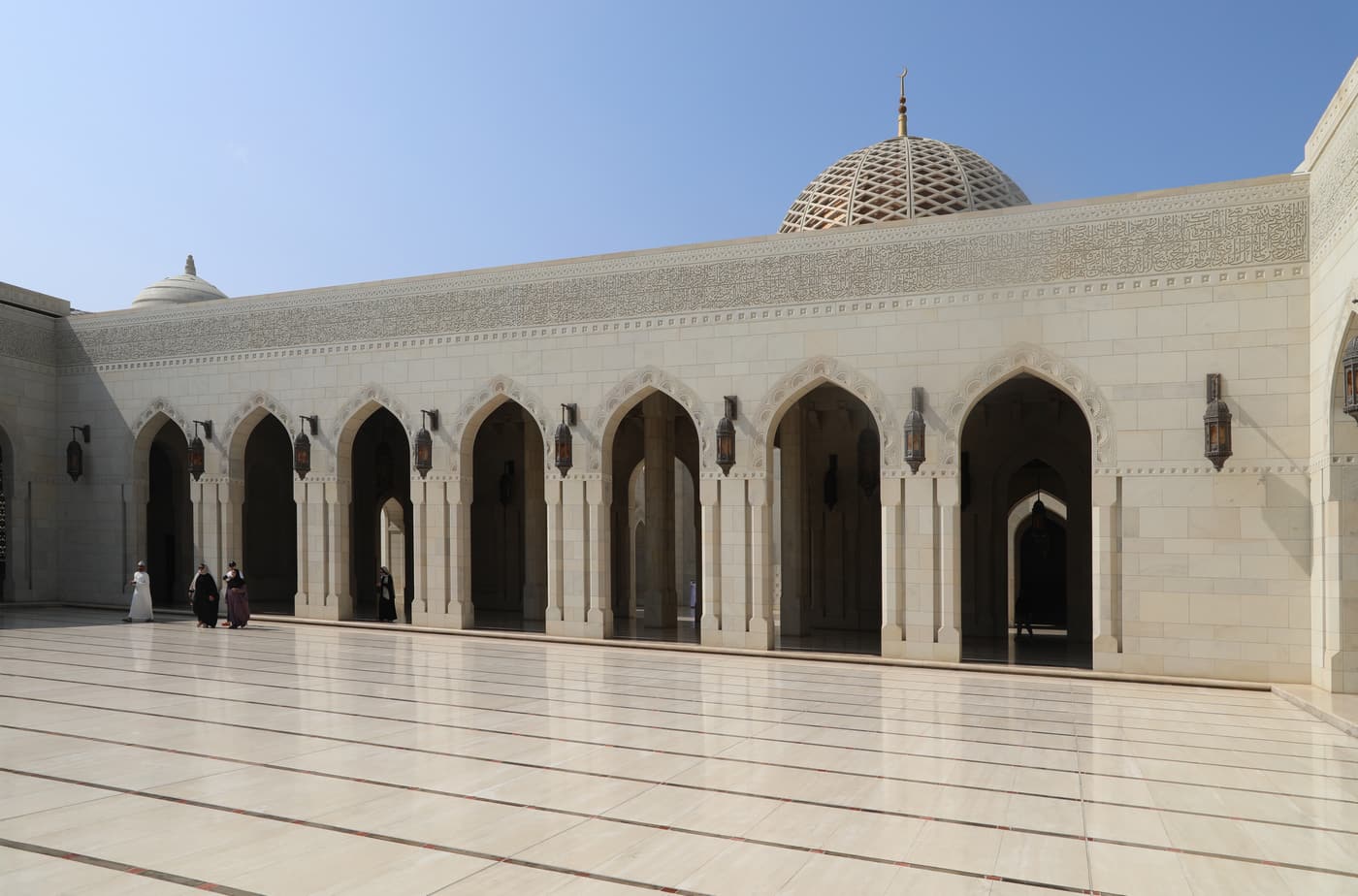
Opened in 2001, the Grand Mosque is Muscat’s unmissable sight: pale sandstone and marble courtyards, a soaring minaret, and a main prayer hall with one of the largest hand-woven carpets in the world beneath a vast crystal chandelier. Visitors are welcome on weekday mornings.
 Muscat city
 Mutrah Corniche & Souq
Muscat’s old harbour and its bazaar
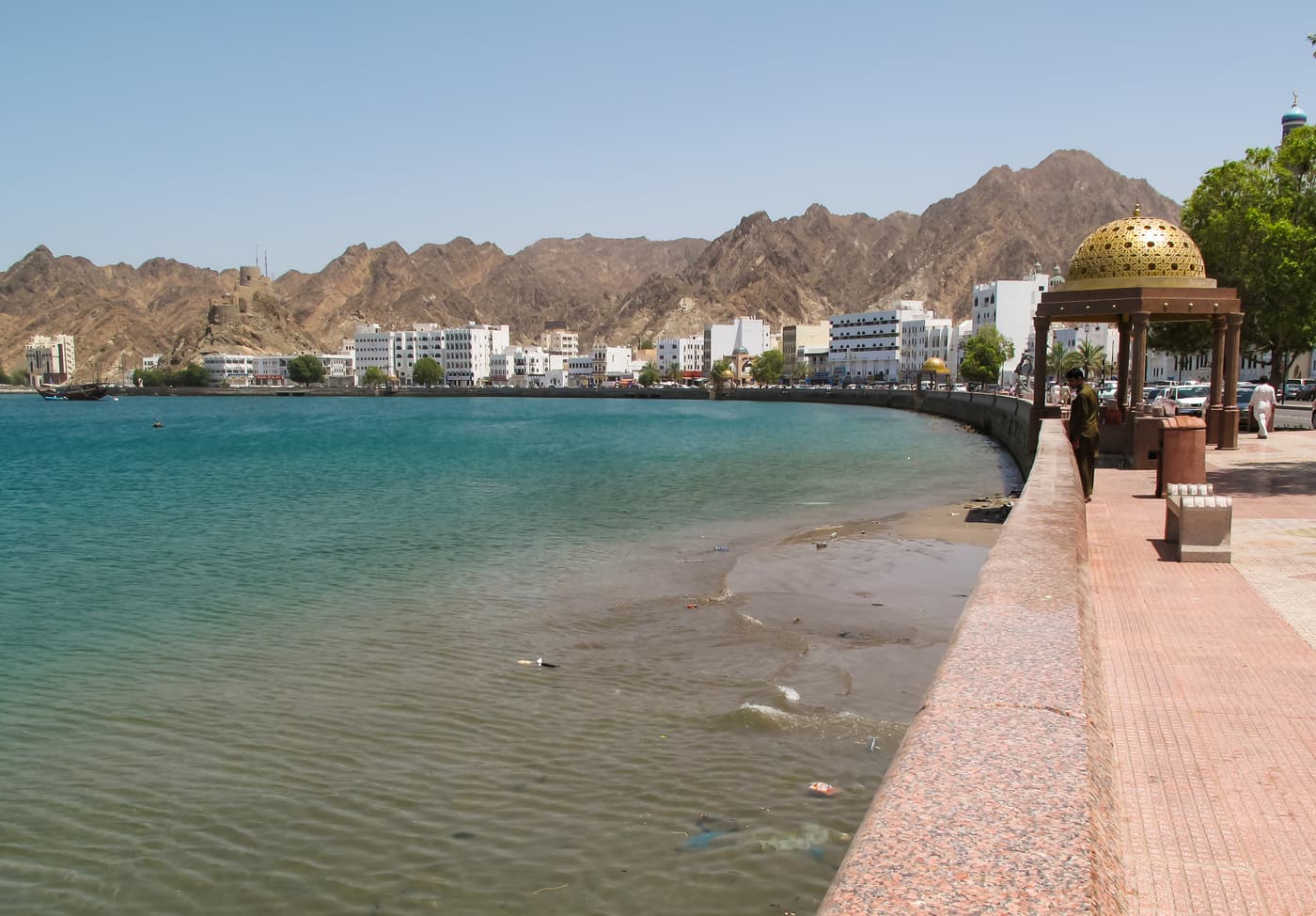
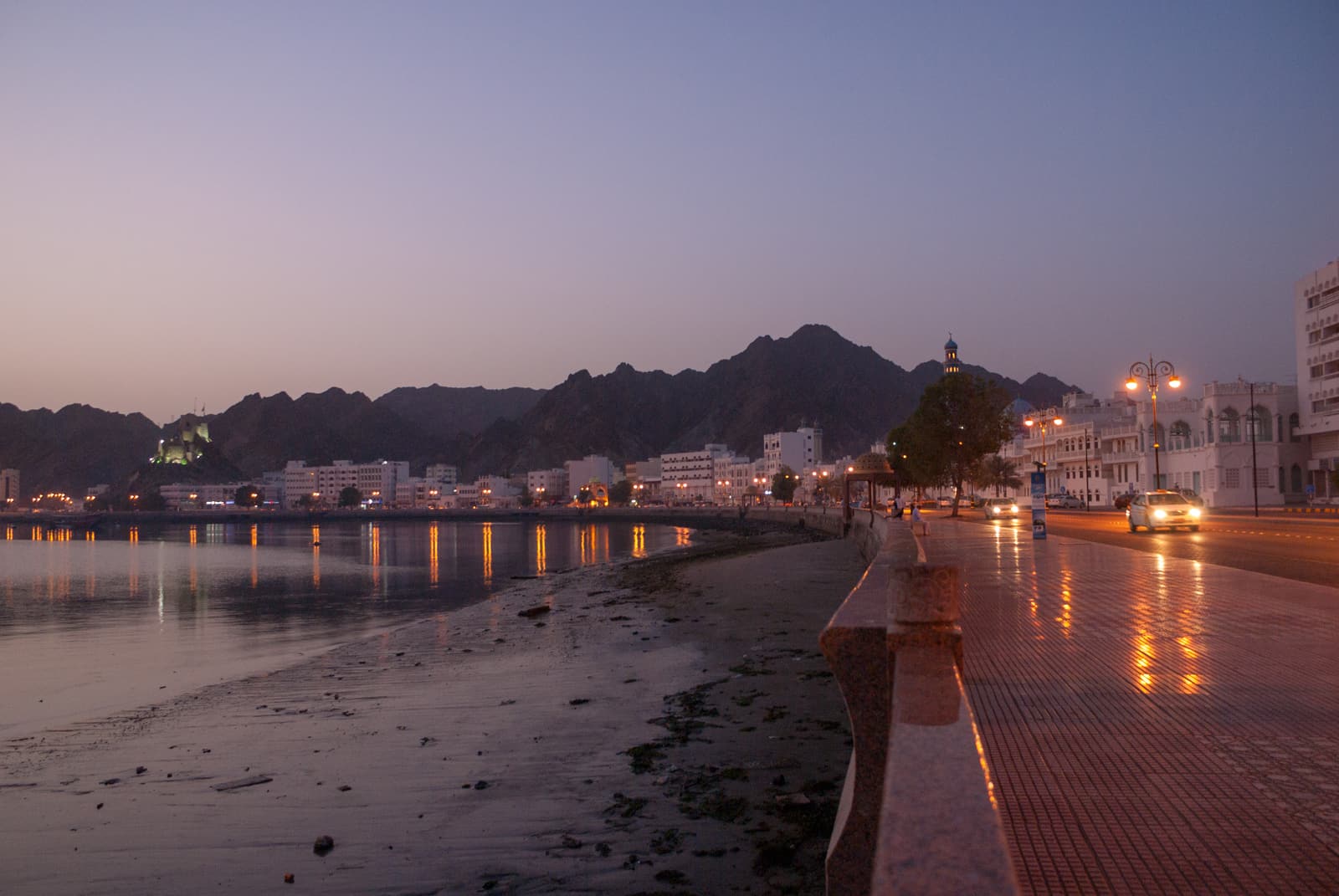
A curving seafront promenade of white merchant houses, mosques and dhows, with one of the oldest souqs in Arabia behind it. Come in the late afternoon for frankincense, silver and khanjars, stay for the corniche at sunset.
 Muscat city
 Old Muscat
Palace, forts and a hidden harbour
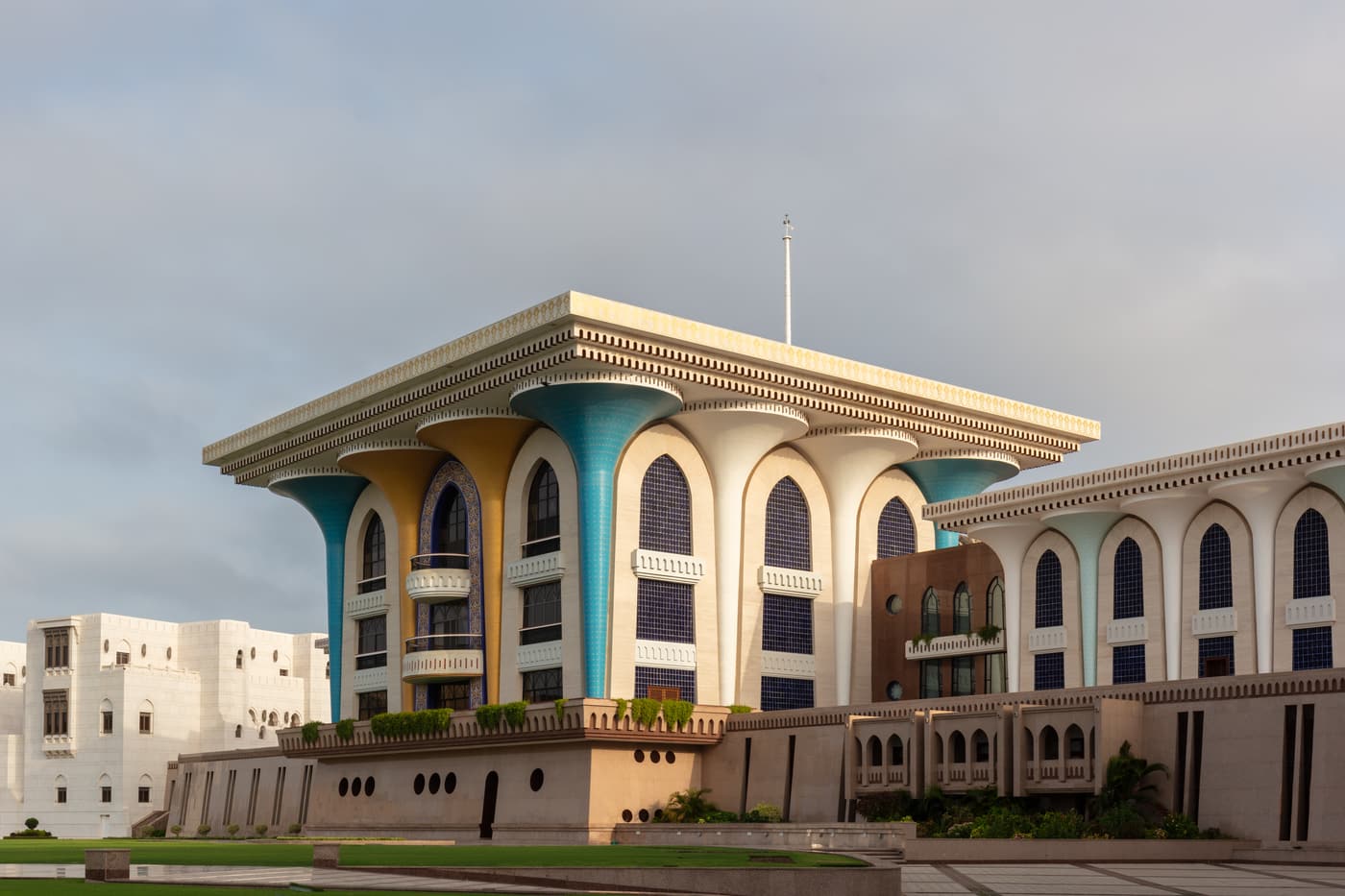
The original walled city is a tiny cove guarded by two Portuguese-era forts, Al Jalali and Al Mirani, with the ceremonial Al Alam Palace between them. The National Museum, Bait Al Zubair and the Muscat Gate Museum are all a short walk away.
 Muscat city
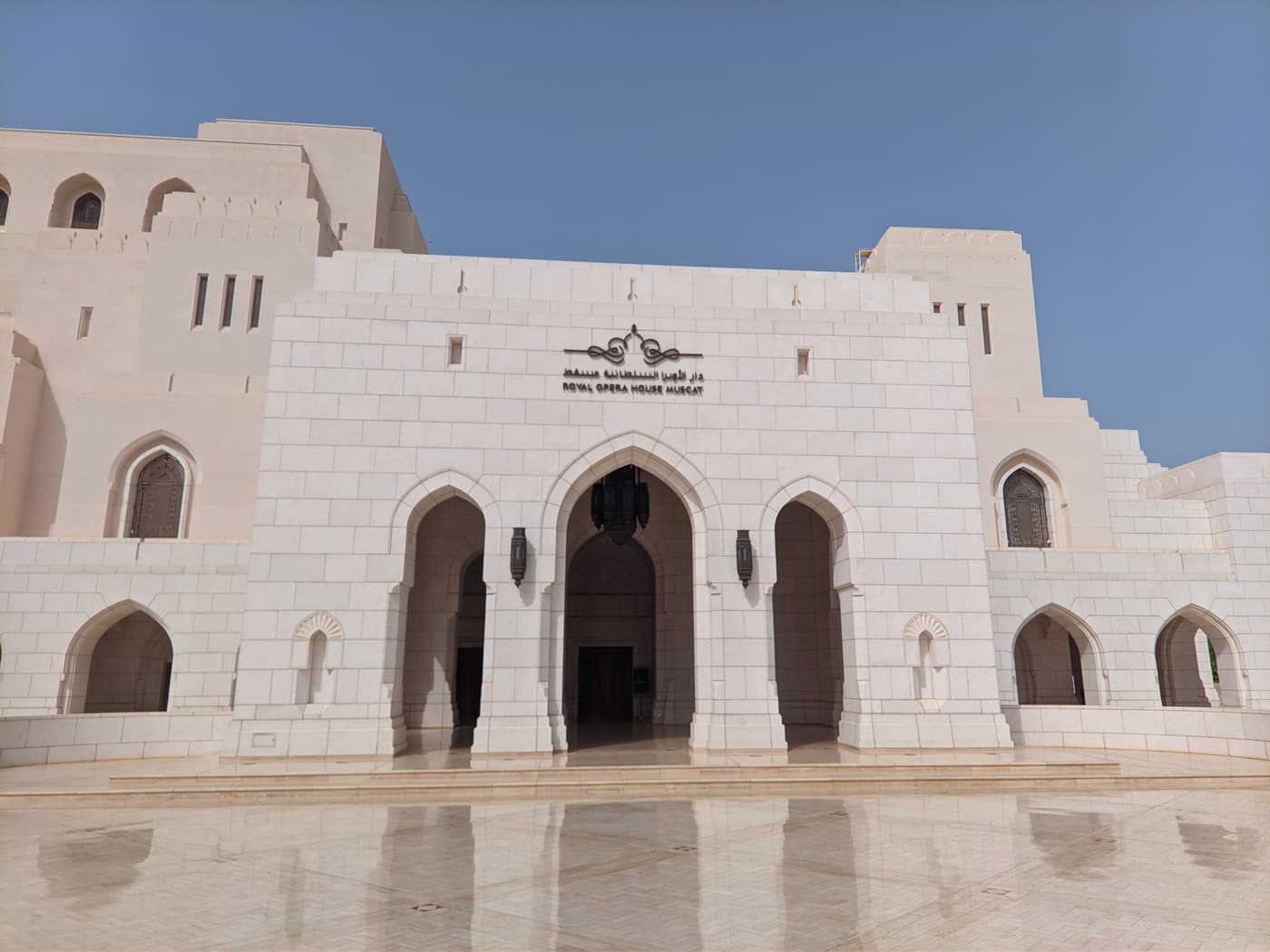
 Royal Opera House Muscat
Arabia’s grand stage
Opened in 2011, the Royal Opera House is a gleaming white palace of Omani-Islamic design in Shatti Al Qurum. Take a daytime guided tour of its carved-wood auditorium, or better still book a performance — opera, ballet, jazz or Arabic music.
 Muscat city
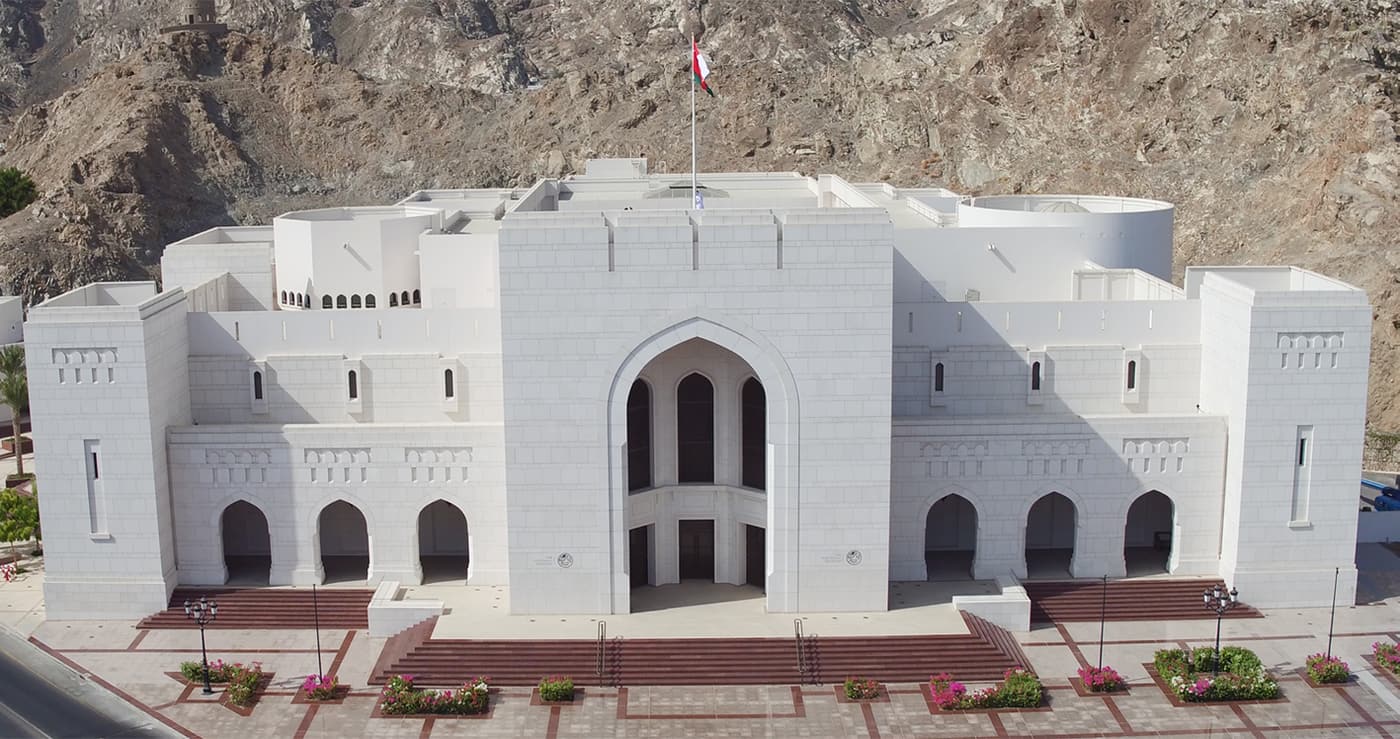
 National Museum of Oman
Five thousand years of Omani history
Opposite Al Alam Palace, this modern museum is the best introduction to Oman anywhere: frankincense and maritime trade, forts and falaj, silver, weapons, manuscripts and the ship that sailed to China. Give it at least two hours.
 Muscat city
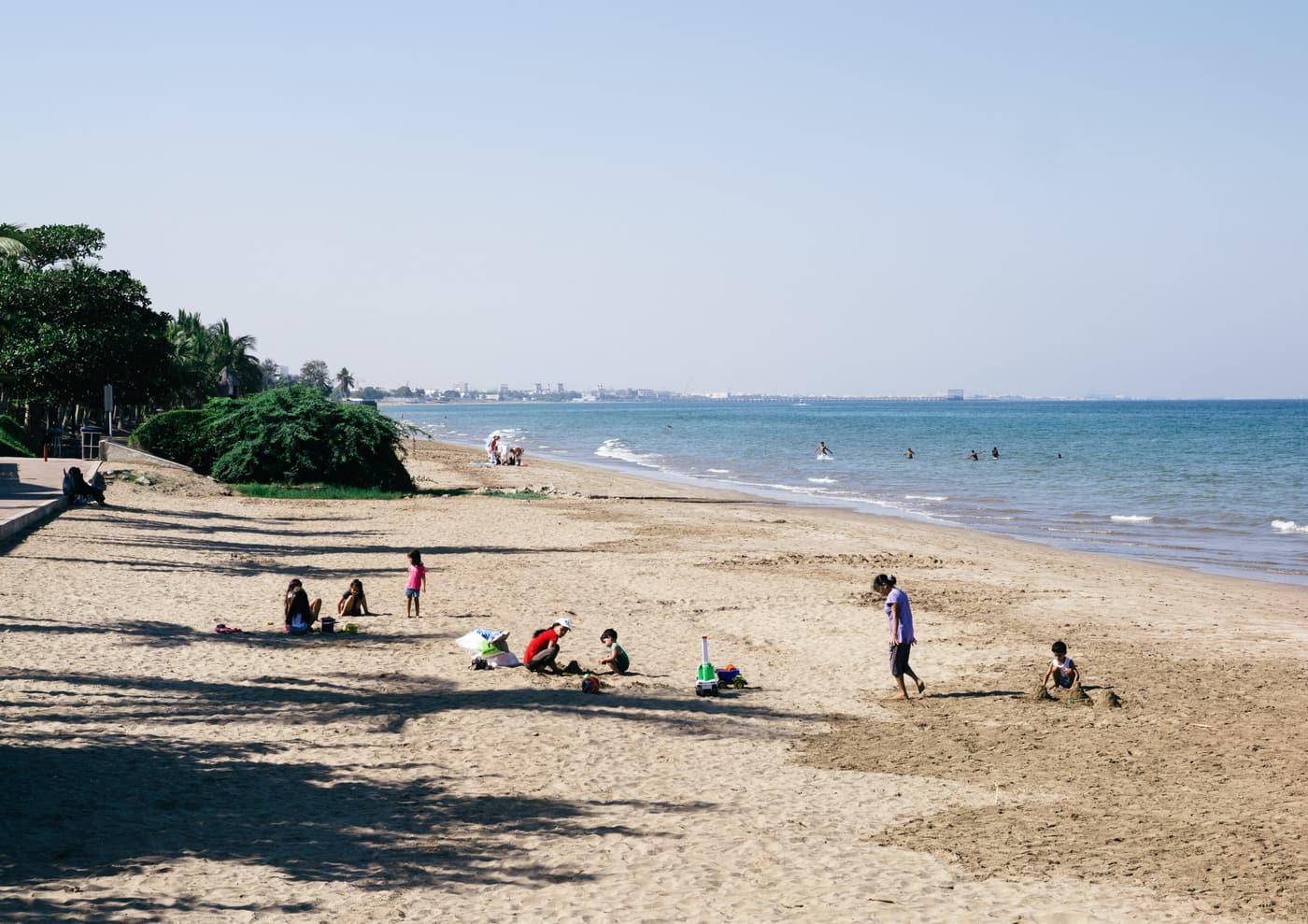
 Qurum Beach
Muscat’s long city beach
A broad sandy beach stretching from the Qurum headland to Shatti Al Qurum, lined with cafés and the city’s big hotels. At sunset it fills with joggers, footballers and families — the best place to see everyday Muscat relax.
Coast & islands
 Coast & islands
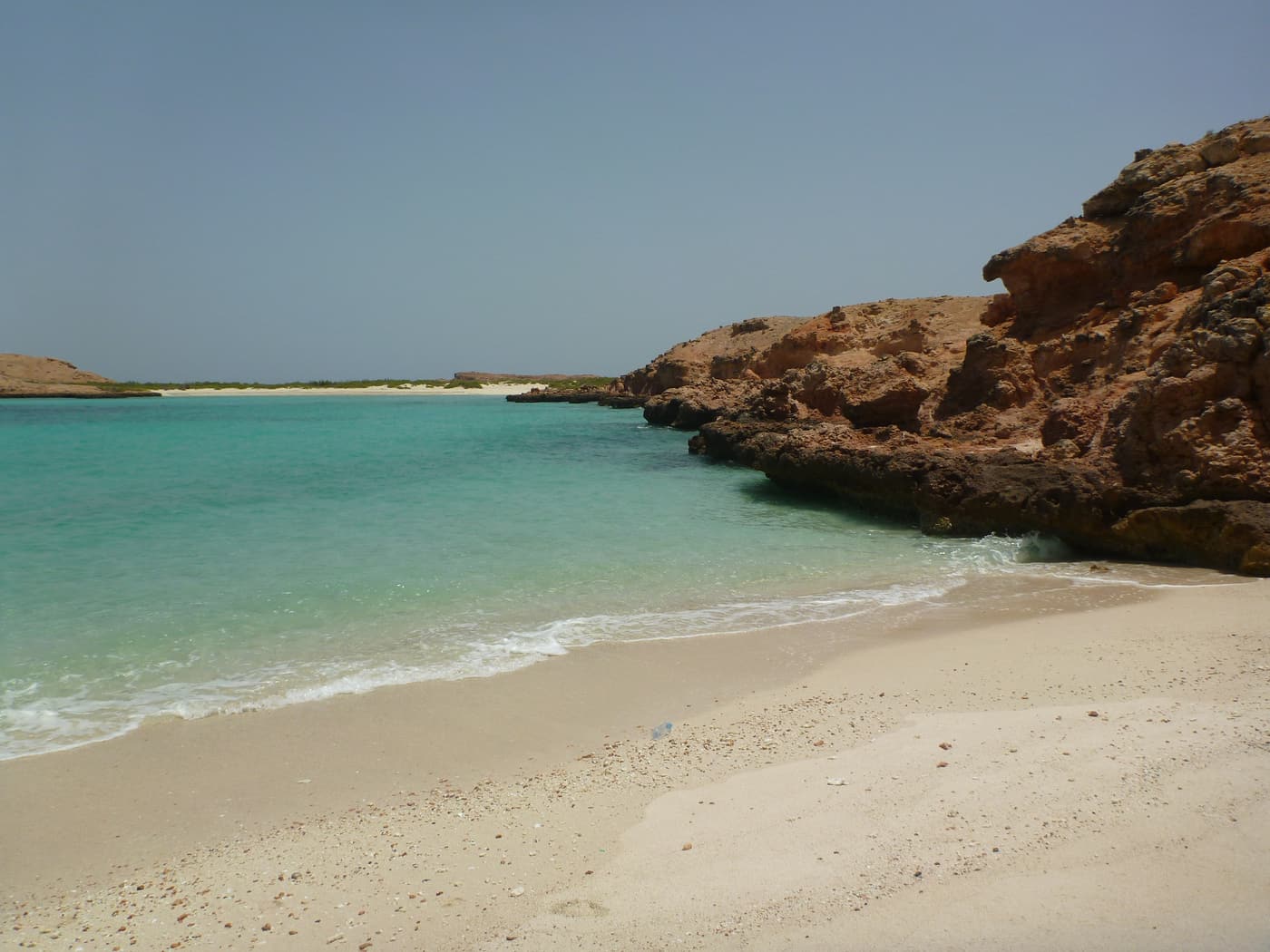
 Daymaniyat Islands
Turtles, coral and clear water
A protected chain of nine small islands off the coast west of Muscat, with coral reefs, turtles and nesting seabirds. Boats leave from marinas on the city’s western side for some of the best snorkelling and diving in Oman.
 Coast & islands
  Coast & islands
 Bimmah Sinkhole
A turquoise pool in the limestone
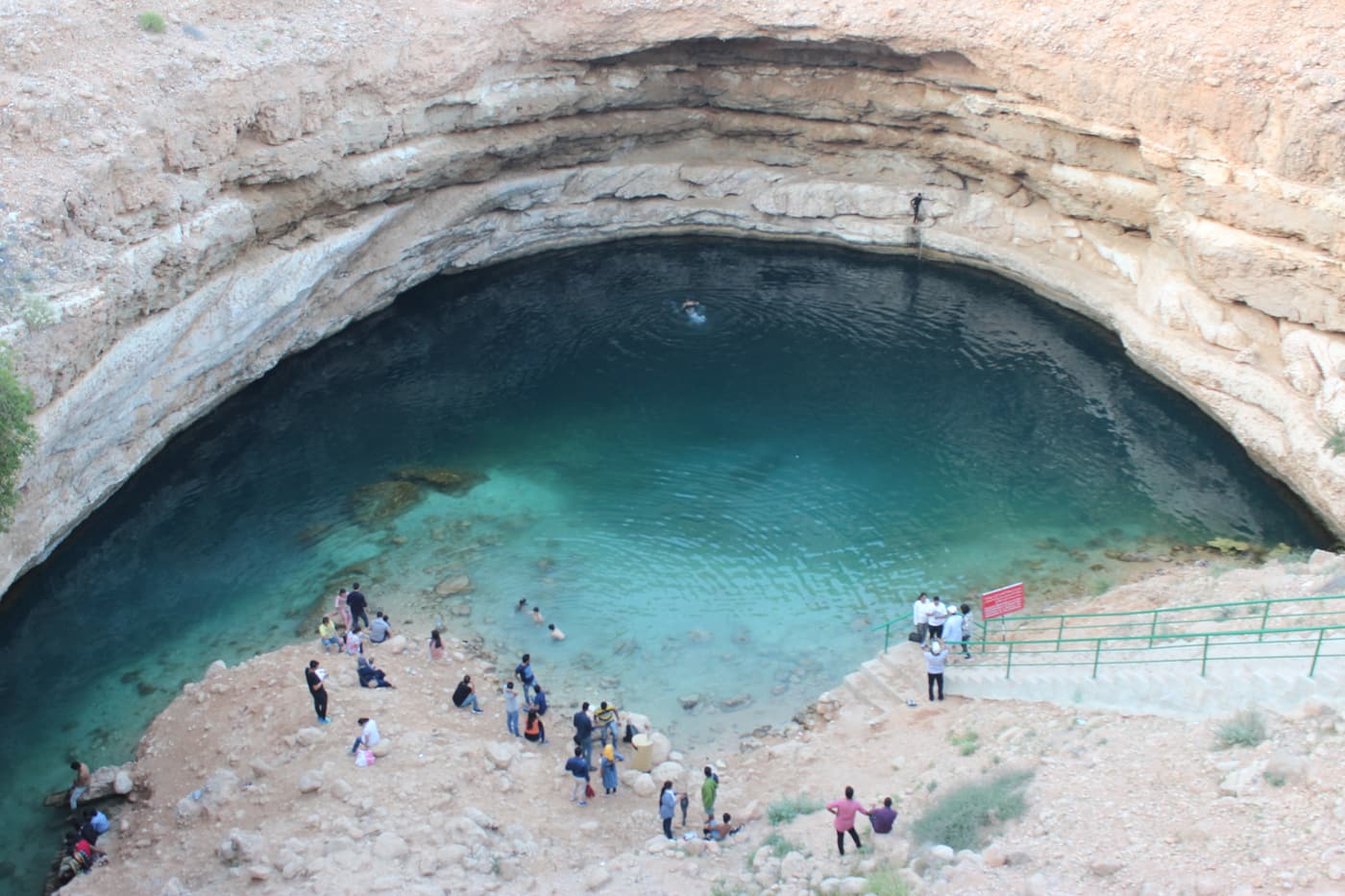
A collapsed limestone cavern about 20 metres deep with a pool of blue-green water at the bottom, set in a small public park just off the coastal highway south of Muscat. Steps lead down for a swim.
 Coast & islands
 Ras al Jinz & Sur
Where green turtles come ashore
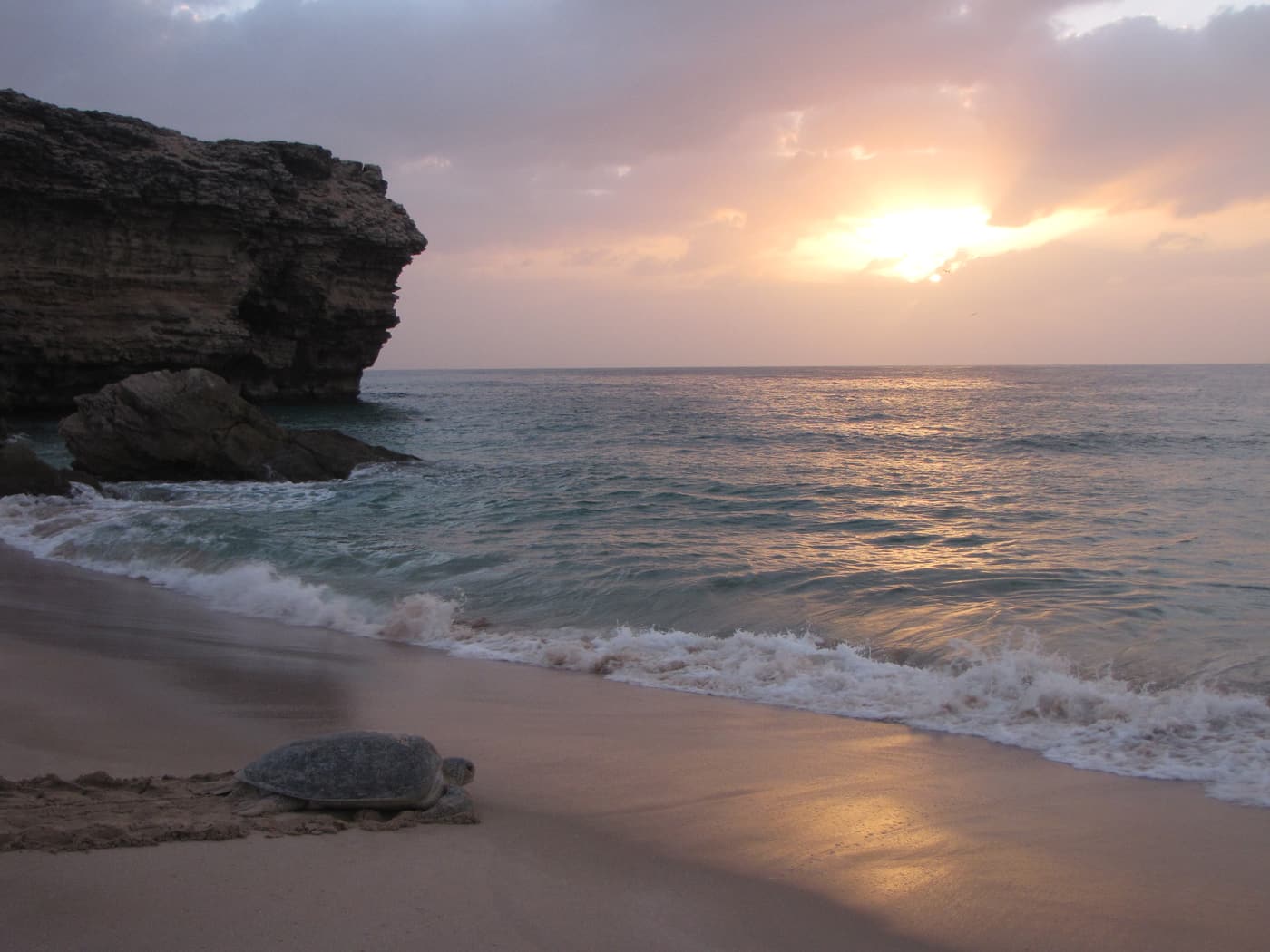
On Arabia’s easternmost tip, the Ras al Jinz reserve protects one of the most important green turtle nesting beaches in the Indian Ocean. Guided night and dawn visits let you watch females lay their eggs. The dhow-building town of Sur is nearby.
Mountains & desert
 Mountains & desert
  Mountains & desert
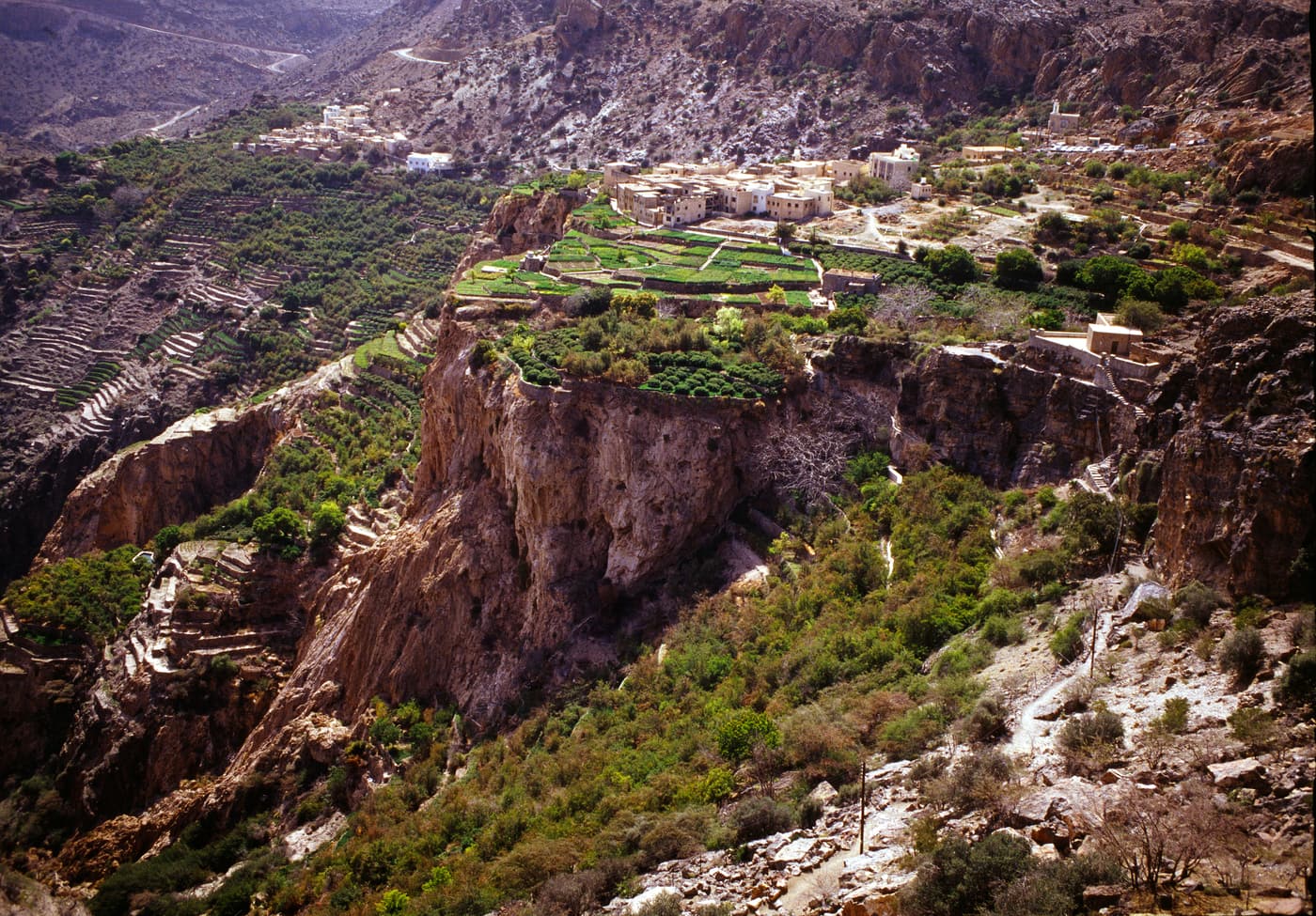
 Jebel Akhdar & Jebel Shams
Terraces, roses and the Grand Canyon of Arabia
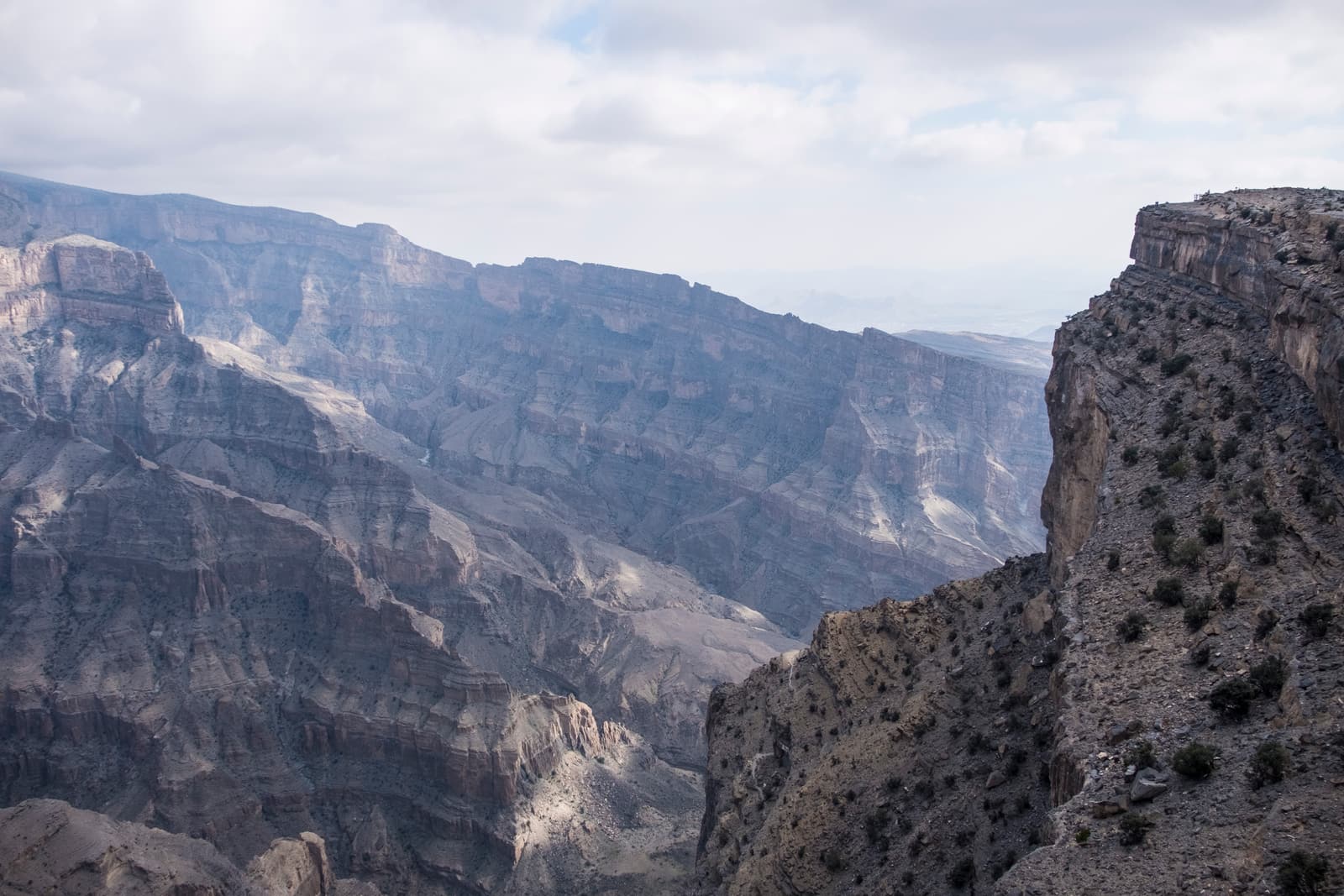
The "Green Mountain" plateau at around 2,000 metres is a world of terraced gardens, rose fields and cliff-edge villages, far cooler than the coast. Across the valley, Jebel Shams — Oman’s highest peak — overlooks the vast Wadi Ghul canyon.
 Mountains & desert
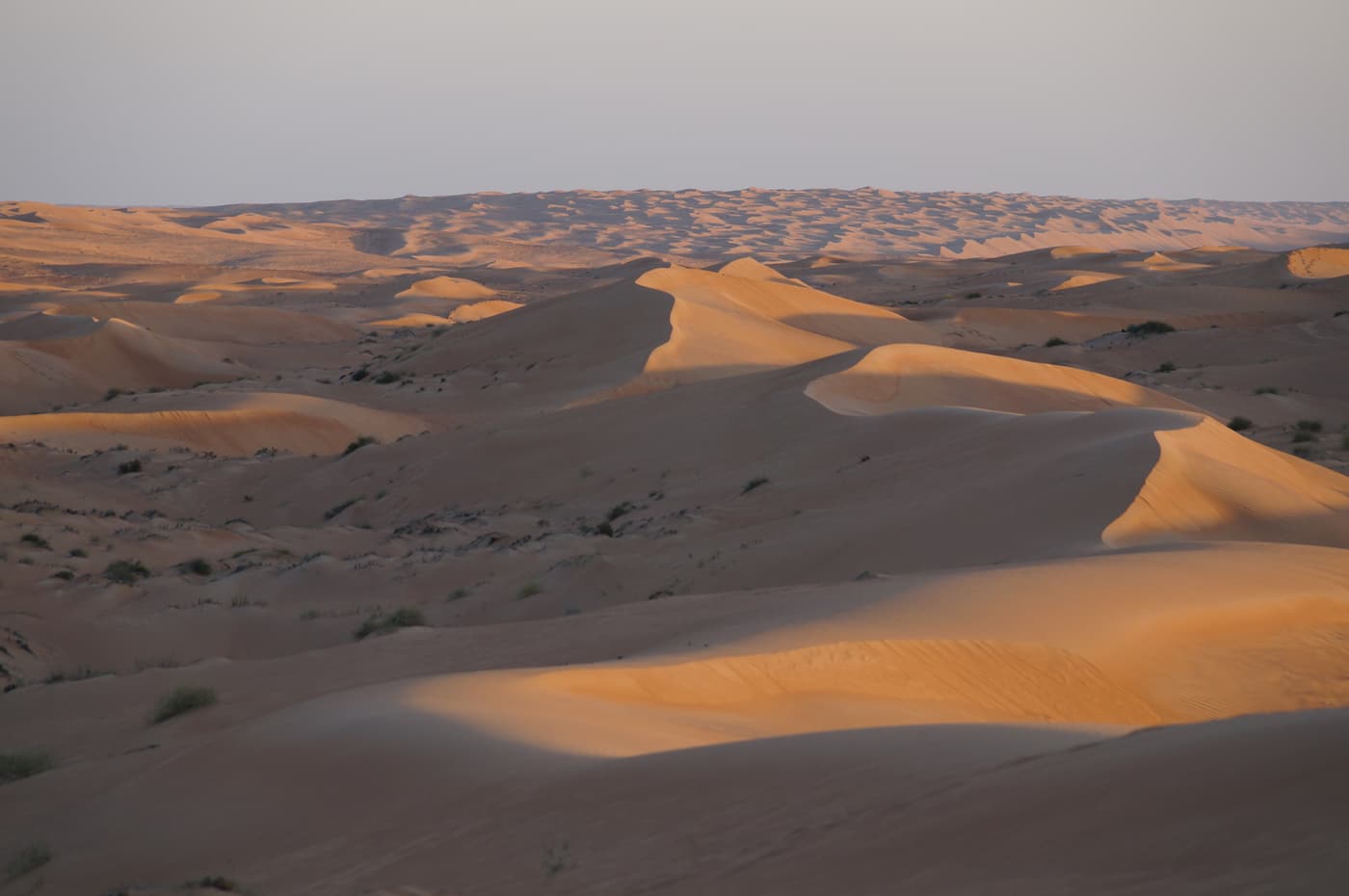
 Wahiba Sands
Oman’s sea of dunes
A great desert of orange and honey-coloured dunes, officially the Sharqiya Sands, about two and a half to three hours from Muscat. Drive the ridges by 4x4, visit Bedouin families, and spend a night in a desert camp under an extraordinary sky.
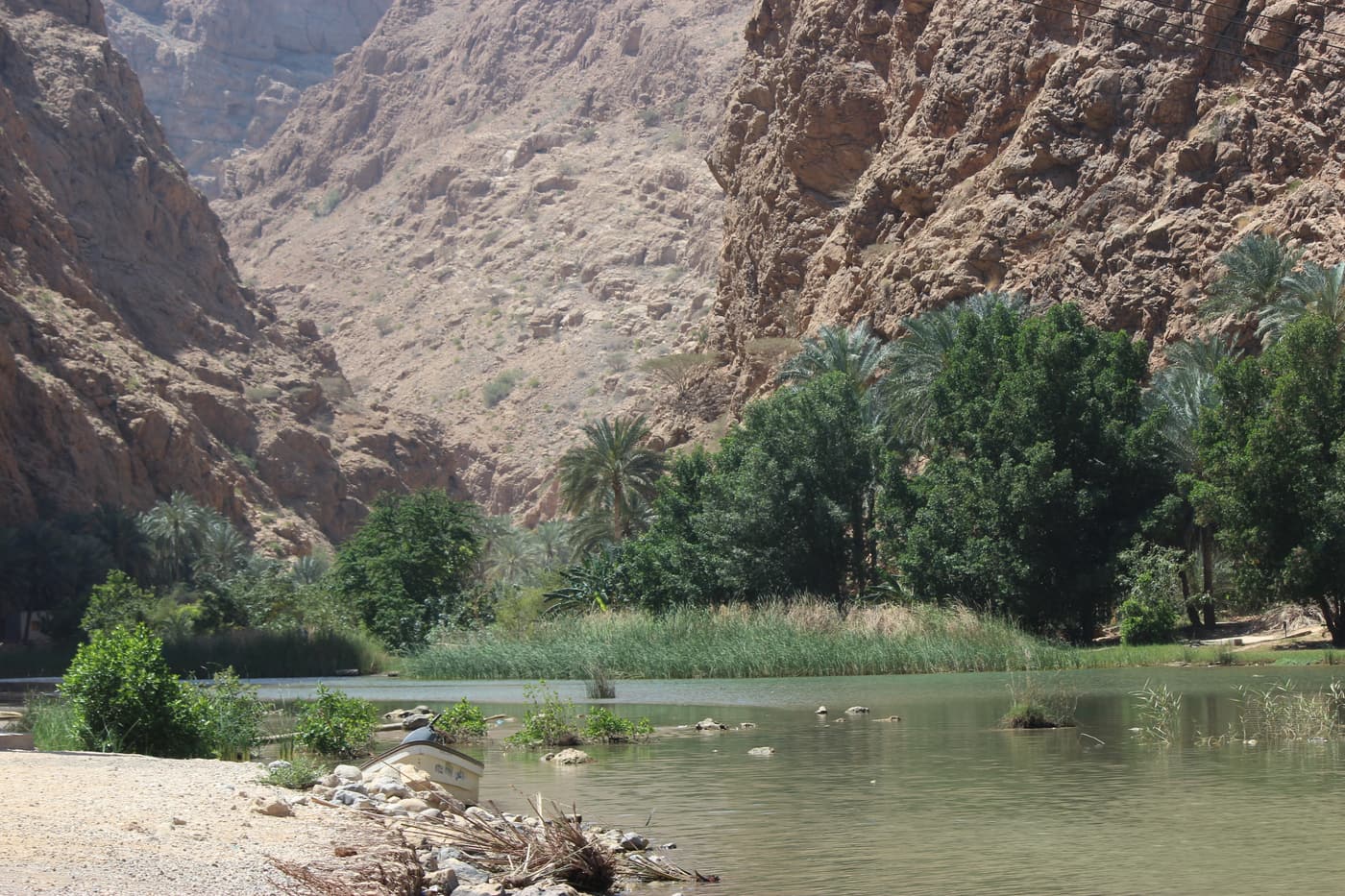
A sensible five-day plan: Day one, the Grand Mosque in the morning and Mutrah Souq at dusk. Day two, Old Muscat, the National Museum and a sunset dhow cruise. Day three, Daymaniyat snorkelling or dolphins. Day four, Wadi Shab and the Bimmah Sinkhole. Day five, Nizwa and Jebel Akhdar — or head for the Wahiba Sands and stay the night.
Live availability
Book Muscat tours & activities
Real-time prices and availability straight from GetYourGuide. Free cancellation on most experiences.
Plan your days in Muscat
Mosques, mountains and the Sea of Oman — all from one city
Muscat is the easiest base in Arabia for wadis, dolphins, desert dunes and hill-top forts. Compare city tours, boat trips and day trips and book in a couple of taps.